


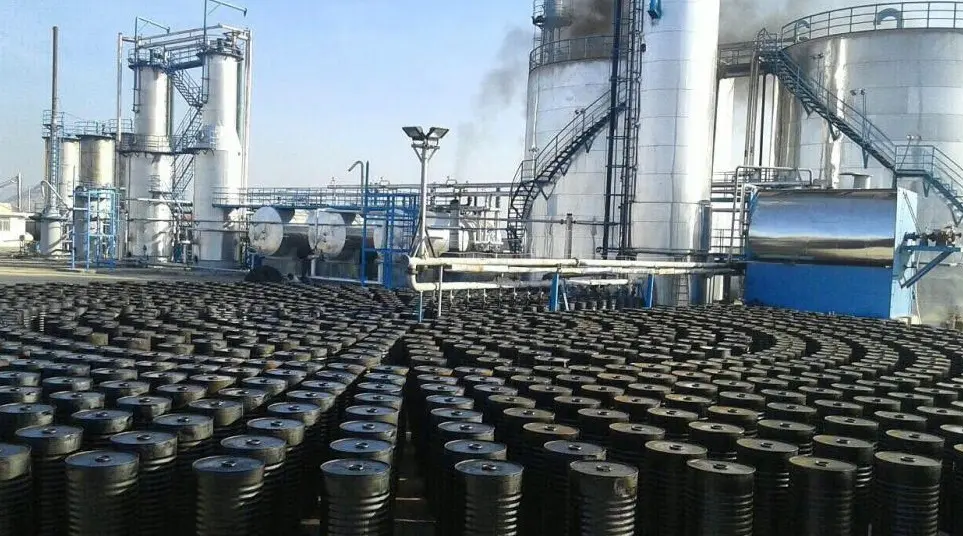
How Is Bitumen Produced in Refineries?
Bitumen is one of the final products of crude oil refining and is derived from the heaviest fractions of petroleum. In the refinery, crude oil first enters the distillation unit, where it is separated into various components such as gas, gasoline, kerosene, diesel, and finally, a heavy residue. This residue, which settles at the bottom of the distillation column, serves as the raw material for bitumen production.
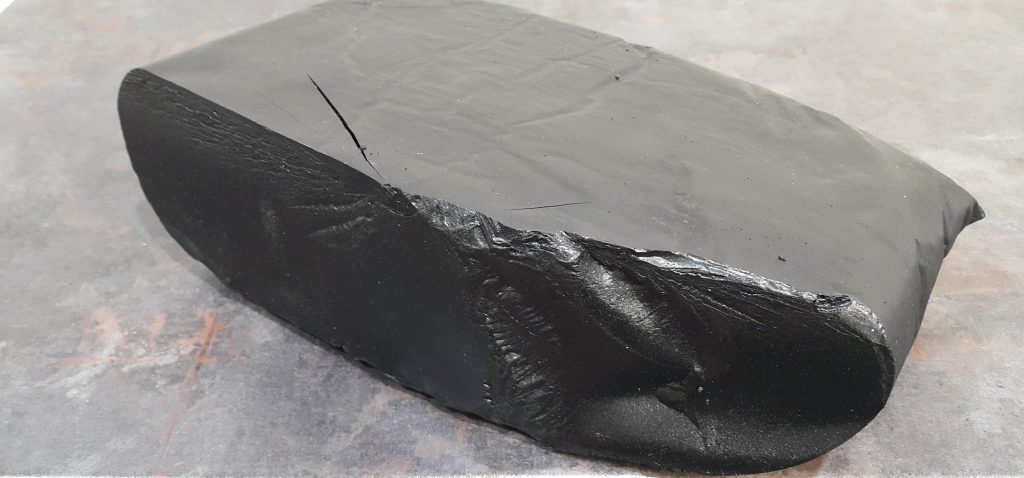
To produce high-quality bitumen, this heavy residue must undergo further refining and treatment processes. One of the most important stages is vacuum distillation. In this method, pressure in the system is reduced, allowing heavy components to distill at lower temperatures. This prevents the breakdown of molecular structures and improves the quality of the bitumen.
After vacuum distillation, the bitumen may undergo an oxidation process. During this stage, air is injected into the hot bitumen through nozzles, altering its molecular structure and improving properties such as softening point and viscosity. This type of bitumen, known as blown bitumen, is widely used in waterproofing membranes (like bituminous sheets) and insulation.
Finally, the produced bitumen must be tested for physical and chemical properties to ensure it meets national and international standards. Depending on the project requirements, it is then packaged in various forms such as metal drums, polybags, or bulk tanks for domestic use or export.
Producing high-quality bitumen requires precise equipment, continuous process control, and strict adherence to standards. Each stage of this process directly affects the durability and performance of the bitumen in construction projects.
